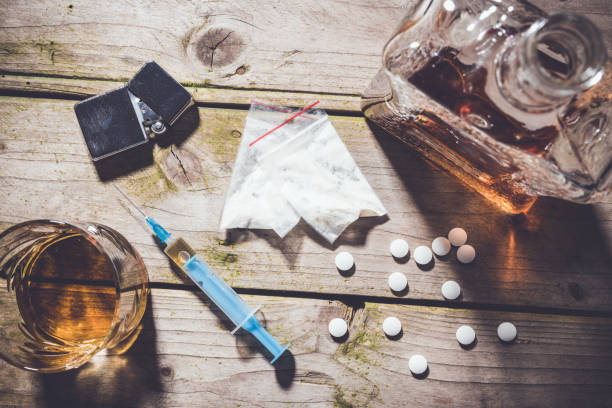
Substance misuse, characterized by the hazardous consumption of drugs or chemicals to alter one’s mental state, should not be conflated with addiction. While individuals grappling with addiction can often relinquish their detrimental habits or modify harmful behaviors, the two concepts are distinct. A person might engage in drug use without necessarily developing an addiction or a substance-related disorder. A broad range of substances, including alcohol, legal or illicit drugs, and non-drug chemicals, can be susceptible to misuse.
Substance use disorders predominantly revolve around two primary categories: alcohol and drugs. Some individuals might be addicted to both substances, while others could show dependency on just one of the two.
Alcohol is notably the most excessively misused substance in the United States, with alcohol use disorder affecting 17 million people or one in every 12 adults. This disorder, often referred to as alcoholism, manifests through excessive drinking, inability to regulate alcohol intake, and the experience of withdrawal symptoms. Binge drinking and heavy drinking, involving the consumption of substantial quantities of alcohol monthly, often precipitate alcohol dependence.
Symptoms indicative of alcohol use disorder encompass extreme mood swings, irritability, solitary drinking, evasion of responsibilities at home, work, or school, short-term memory loss, and the fabrication of one’s alcohol consumption habits.
Illegal substances and prescribed medications can both contribute to an individual’s drug addiction. Substance use disorders can escalate rapidly with the usage of any of these drugs or a combination thereof. Individuals with a drug use disorder continue their consumption despite adverse impacts on their health, relationships, and employment. Their continued usage stems from how drugs alter brain wiring and disrupt the regular reward system.
Nicotine is the most frequently abused drug worldwide. Despite widespread knowledge of the risks associated with nicotine use, it is estimated that forty million people in the United States are dependent on this substance. Nevertheless, the harmful health effects of nicotine often take time to become apparent, potentially contributing to the prevalence of tobacco products as recreational drugs.
Caffeine is the most commonly consumed psychoactive substance worldwide. Consequently, caffeine overdose is a real risk. Research links chronic anxiety and poor sleep induced by caffeine to various mental disorders, making its usage discouraged for those diagnosed with anxiety disorders, panic attacks, primary insomnia, or gastroesophageal reflux disease.
Our society also encounters misuse of manufactured and synthetic drugs like crystal meth and synthetic marijuana. Though these designer drugs might not yet be illegal, they possess potential for misuse and can be even more dangerous.
Performance-enhancing drugs, such as anabolic steroids, are frequently misused in sports and bodybuilding to enhance performance, muscle development, and strength. Although these substances do not alter one’s mood or cause intoxication, their misuse can lead to harmful side effects ranging from minor annoyances to life-threatening conditions.
Substance misuse can manifest through several warning signs or behaviors, including the feeling of needing to consume the drug daily or several times a day, using the substance even if it causes physical or psychological harm, neglecting responsibilities due to drug usage, spending time acquiring, using, and recovering from the drug’s effects, and experiencing withdrawal symptoms.
Treating substance misuse often involves a combination of behavioral therapy and medication. Different types of treatment, such as cognitive-behavioral therapy (CBT), motivational enhancement therapy, and contingency management, may be incorporated into the treatment process.
For those addicted to opioids, nicotine, or alcohol, medications are available. For instance, disulfiram, sold under the brand name Antabuse, was the first drug approved by the FDA to treat alcoholism. Naltrexone, an anti-craving medication, is used for treating alcoholism over a longer duration. This potent opioid antagonist blocks the effects of alcohol by occupying opioid receptors.
In 2004, the FDA approved acamprosate to prevent alcoholism relapses. While there is currently no approved medication to treat addiction to substances like cocaine, methamphetamine, or cannabis, several drugs show promise. For instance, modafinil, a dopamine agonist, has proven helpful in curbing cravings for cocaine.
Substance misuse is a chronic disease necessitating long-term treatment. In recent years, pharmacotherapies have emerged as a critical component of treating all stages of substance use disorders, from detox to early recovery to relapse prevention. Medications enhance the positive effects of psychological therapy and augment the therapeutic impact of behavioral treatments. While strides have been made in developing effective drugs for substance use disorders, their utilization by healthcare providers remains inadequate. Thus, it’s crucial that pharmacotherapy becomes a more significant part of treatment approaches.
If you or someone you know is struggling with substance misuse or addiction, seeking professional help is essential.
Virtual Allied Remote Diagnostics and Clinical Services offer comprehensive support and treatment options for individual needs.