
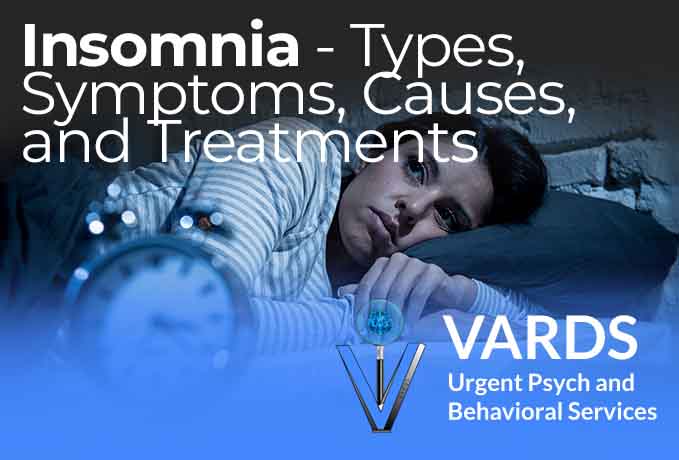
Insomnia is a common sleep disorder that manifests as difficulty falling asleep, staying asleep, or waking up far too early and being unable to drift back into sleep. Upon waking, you may feel a persistent sense of tiredness, a clue that your rest has been inadequate. Insomnia can severely diminish your energy levels, negatively affect your mood, and possibly impair your overall health, work productivity, and quality of life.
There are different variations of insomnia, with the acute form, often short-term, impacting many individuals at various points throughout their life. Acute insomnia can persist for several days or even weeks, frequently triggered by stress or a distressing event. Conversely, there are those who grapple with a persistent form of the disorder known as chronic insomnia, which can last for a month or even longer.
While insomnia can be a standalone problem, it is also frequently associated with other medical conditions or the use of certain medications.
Examining the Different Types of Insomnia
Insomnia can be categorized in several distinct ways based on the unique characteristics of each condition:
- Acute Insomnia: This is when an individual experiences temporary sleeping difficulties that typically last no more than a few weeks.
- Behavioral Insomnia: Characterized by a consistent struggle to fall asleep, an aversion to sleep, or a combination of both. It often affects children who might benefit from learning calming techniques and establishing a regular sleep schedule.
- Chronic Insomnia: This condition describes the inability to consistently fall or stay asleep on three or more nights per week, often persisting for three months or more.
- Onset Insomnia: Refers to difficulty in initiating sleep. This can be triggered by consumption of caffeine, mental health disorders, and other common causes of insomnia. However, it’s worth noting that other sleep disorders can also result in difficulty falling or staying asleep.
- Maintenance Insomnia: Similar to onset insomnia, this refers to having trouble staying asleep.
Insomnia can also be subdivided into two primary classifications:
- Primary Insomnia: Here, sleep problems are independent, not associated with any other health condition or issues.
- Secondary Insomnia: This occurs when sleep difficulties are due to a physical condition such as allergies, depression, arthritis, cancer, or heartburn; pain; certain medications; or substance abuse like alcohol.
Recognizing the Symptoms of Insomnia
Common symptoms frequently associated with insomnia include:
- Struggling to fall asleep throughout the night
- Waking up several times during the night
- Rising earlier than needed
- Feeling unrefreshed or unrested after a full night’s sleep
- Experiencing daytime drowsiness or fatigue
- Feeling irritable, sad, or anxious
- Having trouble focusing, concentrating, or remembering tasks
- An increased occurrence of mistakes or accidents
- Persistent worrying about getting enough sleep
For children, insomnia can present as daytime drowsiness or agitation, mood shifts, repeated breaches of rules, and difficulty with memory or concentration.
Understanding Insomnia in Older Adults
A range of factors can lead to insomnia in older adults, often triggering a cascade effect:
- Age-related changes in the circadian rhythm, which regulates your sleep-wake cycle, can make it harder to fall asleep or stay asleep.
- Retirees often lack consistent social engagement and a regular daily routine, both of which can contribute to insomnia.
- Feelings of isolation can heighten loneliness and increase the risk of depression, thereby potentially leading to sleeping difficulties.
- Chronic pain conditions, often associated with aging, can make it difficult to fall or stay asleep.
- Daytime sleepiness and a constant sense of exhaustion due to poor sleep at night can increase the desire to nap. However, daytime napping can make it harder to fall asleep or stay asleep at night.
Exploring the Causes of Insomnia
A multitude of factors, both environmental and physiological or psychological, can trigger insomnia. These include:
- Shifts in work or travel schedules that disrupt your body’s circadian rhythms.
- Consumption of stimulants such as caffeine and nicotine, and even alcohol, which can interfere with sleep.
- Overeating, particularly before bedtime, which can cause physical discomfort and potential acid reflux.
- Mental health disorders like anxiety and depression.
- Chronic health conditions such as diabetes, heart disease, asthma, GERD, hyperactive thyroid, Parkinson’s, and Alzheimer’s.
- Certain medications, including those for depression, asthma, and high blood pressure, which can disrupt sleep.
- Poor sleep habits such as irregular bedtimes, stimulating activities before bed, and an uncomfortable sleep environment.
- Sleep-related disorders like sleep apnea and restless legs syndrome.
- Stress and anxiety from work, education, health, financial concerns, or family issues.
Insomnia: More Than Just A Sleep Disorder?
Although it might seem like a minor annoyance or inconvenience, insomnia is a complex sleep disorder that can significantly impact physical health, as well as mental and emotional well-being. For individuals struggling with mental health conditions, the difficulty in falling asleep or staying asleep can exacerbate symptoms, leading to increased agitation, confusion, pain sensitivity, and other physical problems.
How is Insomnia Treated?
Insomnia can be managed and treated through several methods, including cognitive behavioral therapy, medical treatment, medication and supplements, and various natural remedies. Here’s what you might expect from a healthcare professional treating persistent insomnia:
- Cognitive Behavioral Therapy for Insomnia (CBT-I): This is a structured, short-term treatment that helps identify and replace thoughts and behaviors causing or worsening sleep difficulties with habits that promote good sleep.
- Medications: In the long term, changes to routines and habits provide the most effective means of improving sleep. However, short-term use of sleep medications can help under certain circumstances.
- Melatonin Supplements: Some people use these as sleep aids. However, no conclusive evidence shows their effectiveness, and as dietary supplements, they are not regulated by the FDA like pharmaceuticals.
Conclusion
Insomnia is a significant sleep disorder that can greatly impact your physical, mental, and emotional health. If you suspect that you have insomnia, reach out to a qualified healthcare professional as soon as possible. They can help investigate the underlying causes of your insomnia and guide you to the most appropriate treatment based on your specific needs.
Get Help at Virtual Allied Remote Diagnostics and Clinical Services
If you’re struggling with insomnia, don’t suffer alone. Reach out to Virtual Allied Remote Diagnostics and Clinical Services today.
Booking an appointment with Virtual Allied Remote Diagnostics and Clinical Services is simple.
During your appointment, we’ll work with you to understand your unique sleep challenges, discuss potential treatment options, and develop a personalized plan to help you achieve restful nights and improved well-being.