
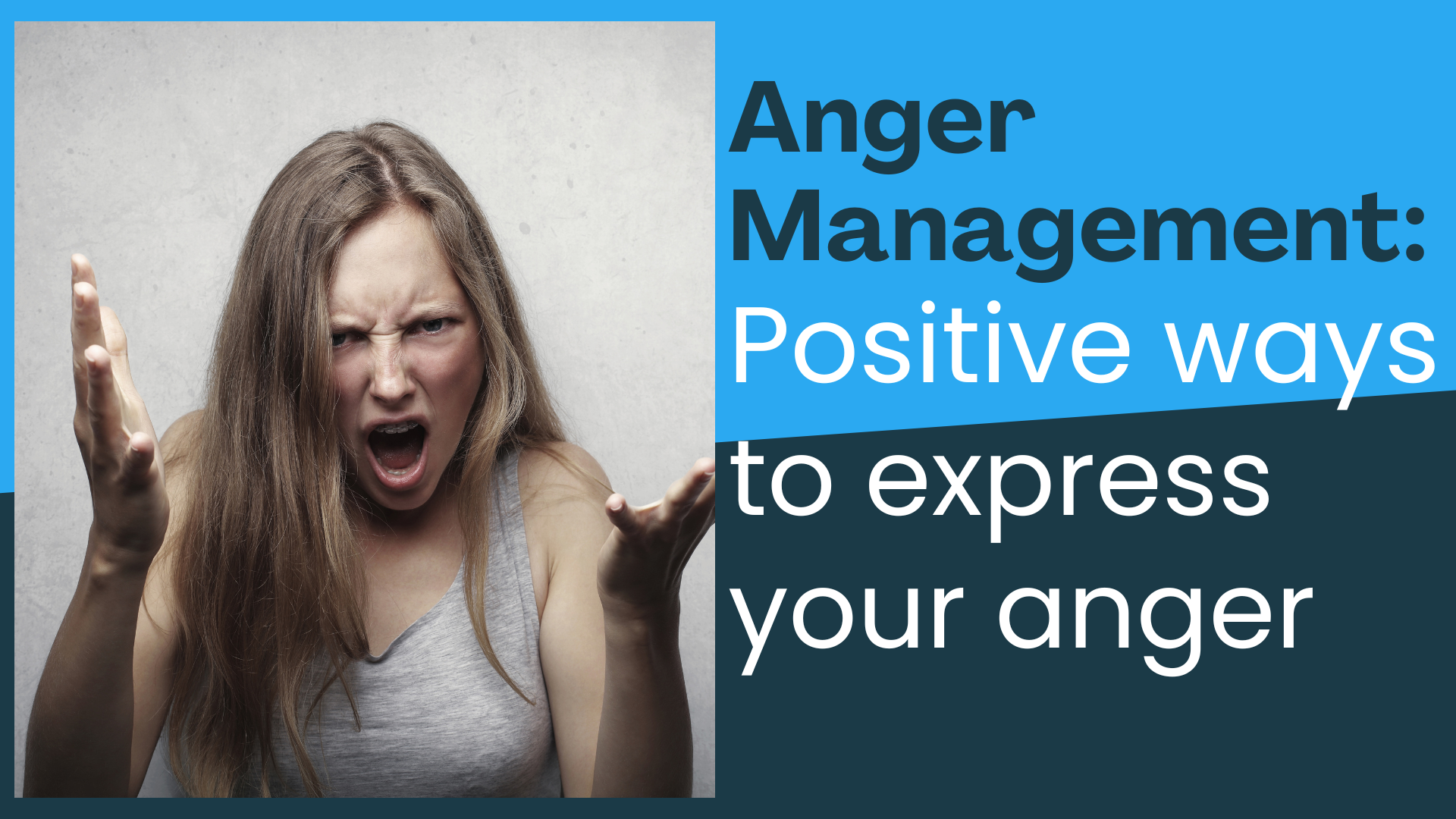
Modern life brings with it a multitude of everyday frustrations. Getting stuck in interminable queues, having to deal with impolite colleagues, or having to navigate through unending traffic can be irritating, to say the least. It’s only natural that the stress of such experiences can ignite a spark of annoyance, even anger. Although anger is a perfectly normal response to such stimuli, letting it simmer over a prolonged period can be detrimental.
This ubiquitous yet potent emotion can unleash havoc if left unaddressed, causing damage to personal and professional relationships. It’s clear that allowing anger to build up or expressing it in explosive outbursts can be counterproductive, leading to discord in our interactions with others.
Moreover, this potentially destructive emotion can also have adverse effects on our physical health. Chronic, repressed anger can precipitate both physiological and psychological responses, ranging from high blood pressure to increased anxiety levels. While the potential harm of unchecked anger is clear, there’s a glimmer of hope as well. Anger, as any other emotion, can be mastered. With the right techniques, we can learn to control our anger and channel it constructively.
Indeed, research suggests that the ability to harness and redirect intense emotions such as anger in productive ways can even lower the risk of heart disease. Thus, the art of managing anger is not only crucial for maintaining our social fabric but also for our physical wellbeing.
Strategies for Anger Management: Harnessing the Energy
The key to effective anger management lies in finding healthy outlets for its expression. Instead of letting this powerful emotion wreak havoc, it can be diverted into actions that are beneficial and productive. Anger, when harnessed effectively, can be transformed from a destructive force into a driver for positive change.
While relaxation techniques such as mindfulness can be employed to deal with lower-intensity anger, like annoyance or irritation, these methods may not be sufficient when dealing with more potent anger. In these cases, more active techniques may be required.
Extracting oneself from the situation
It might seem impolite or abrupt to others, but it’s far better than uttering regrettable words in the heat of the moment. Taking a brief respite from a heated situation is one of the most straightforward yet effective strategies to deal with mounting anger. Walking away allows you to cool down and reflect, helping to prevent an outburst of anger. A simple act like going outside for a walk can help dissipate the energy that’s fuelling your anger, allowing you to regain a sense of calmness.
Breathing deeply
Amidst a tense situation, it’s easy to lose control of your breath. Anger triggers a fight or flight response in our bodies, leading to rapid, shallow breathing. Counteract this by consciously shifting to deep, controlled breathing from your abdomen. This form of breathwork has a calming effect, quickly helping your body and mind to relax and regain balance.
Artistic expression
Consider expressing your anger through art. Arm yourself with a blank sheet of paper and colors, then let your feelings guide your hand. Paint or draw whatever comes to mind, using colors and forms to symbolize your emotions. This cathartic practice provides a constructive outlet for your anger, and you might even end up creating some intriguing art pieces in the process.
Movement and mindfulness
In some cases, being static can intensify feelings of anger. Mindful movement practices such as yoga or tai chi can help relieve the physical tension often associated with intense emotions. Taking a walk, doing some light dancing, or any form of physical activity can serve as a distraction from the problem at hand, helping to channel the energy that’s feeding your anger.
Expressing your frustration
While it’s important not to lash out in anger, it’s equally crucial not to suppress it. After a particularly challenging day, talking about your frustrations with a trusted friend or family member can provide much-needed relief. Expressing your anger verbally, in a controlled manner, can prevent the accumulation of pent-up anger, reducing the risk of explosive outbursts.
Finding humor in the situation
Laughter, they say, is the best medicine. Discovering humor in tense situations can help diffuse the intensity of your anger. It’s not about trivializing your problems, but looking at them from a lighter perspective. Taking a humorous view of your challenges can help you see them as less threatening, less significant. When you don’t take yourself too seriously, you’re more likely to realize that many problems that seem monumental are actually trivial in the grand scheme of things.
Recognizing and managing triggers
Understanding your anger triggers is the first step in effective anger management. Once you’ve identified what provokes your anger, you can actively seek ways to avoid these triggers or find substitutes for them. If your daily commute consistently incites frustration, consider finding a different route or changing your commuting hours. If a coworker’s incessant foot tapping grates on your nerves, consider investing in noise-canceling headphones.
Seeking professional help
Experiencing anger and frustration from time to time is perfectly normal. However, if you’re consistently in a bad mood or feel constantly overwhelmed by anger, it might be time to seek professional help. Trained therapists can help you delve deeper into the root causes of your anger, equipping you with effective coping mechanisms. This is particularly helpful if your anger is affecting your relationships and overall wellbeing.
In Conclusion
Awareness of the triggers that precipitate your anger is the first step towards effectively managing this potent emotion. If certain circumstances consistently provoke you, make a conscious effort to avoid or minimize them. Keep in mind, however, that these are general strategies, and their effectiveness may vary from person to person. If you find these techniques ineffective, it’s crucial to seek help from a professional before the situation escalates beyond control.
The journey towards effective anger management can be an arduous one, requiring self-introspection, consistent effort, and sometimes, professional help. However, the destination – a state of better mental health, improved relationships, and enhanced personal wellbeing – makes it a journey well worth undertaking. Harnessing the energy of anger and channeling it into positive actions can lead to personal growth and self-improvement.
Remember, you are in control of your emotions, not the other way around.