Trauma is an invisible wound that leaves lasting scars, not only on the mind but also on the body. The concept of “the body keeps the score” explores how trauma impacts both the brain and body, and how individuals can heal from these deep-seated experiences. Let’s break down some of the key ideas and explore what this means for trauma survivors.
Trauma Lives in the Body
A central idea is that trauma doesn’t just affect thoughts and emotions—it becomes physically embedded in the body. Traumatic experiences can trigger physiological responses that alter how we experience the world. For instance, someone who has gone through trauma may remain in a state of hypervigilance, where the body is constantly prepared for danger even when none is present. This prolonged stress response can lead to chronic anxiety, physical illness, and other conditions.
The body “remembers” trauma, even if the mind does not. Trauma survivors may experience chronic pain, tension, headaches, or digestive issues with no clear medical cause, often stemming from how their body stores and responds to trauma.
Trauma and the Brain
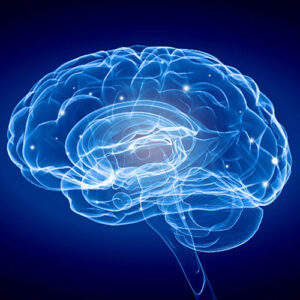
Trauma affects how the brain functions, particularly in areas responsible for emotion regulation, memory, and decision-making. The brain’s fear center, the amygdala, becomes hyperactive, while the prefrontal cortex, responsible for rational thinking, becomes underactive. This imbalance makes it difficult to think clearly, make decisions, or regulate emotions after a trauma trigger.
These changes explain why trauma survivors may experience flashbacks, dissociation, or intense anxiety, and have difficulty feeling safe, even in everyday situations.
Healing Through the Body
While traditional talk therapy is helpful, addressing trauma also requires therapies that work with the body. Since trauma is stored physically, incorporating movement, mindfulness, and body awareness into treatment is key to recovery.
Some body-centered therapies include:
- Yoga: Yoga helps trauma survivors reconnect with their bodies, calm their nervous systems, and regain control over their emotions.
- EMDR (Eye Movement Desensitization and Reprocessing): This therapy helps reprocess traumatic memories to reduce their emotional intensity. It uses guided eye movements to activate both sides of the brain, helping to process trauma stuck in the body.
- Somatic Experiencing: A therapy that focuses on bodily sensations and releases stored trauma through movement, breathwork, and other physical practices.
The Role of Relationships in Healing
Building safe, supportive relationships is crucial in trauma recovery. Traumatic experiences often involve isolation, making it difficult to trust others. However, connection is a powerful tool in healing. Whether through friends, family, or therapeutic relationships, feeling understood and valued helps survivors rebuild a sense of safety.
Practical Steps for Healing
- Mindfulness: Mindfulness practices can help trauma survivors become more aware of their bodies and the present moment, reducing anxiety and dissociation.
- Breathwork: Controlled breathing exercises help regulate the nervous system and reduce stress.
- Physical Activity: Physical activities like yoga, dancing, or walking can release stored tension and improve mood.
- Therapy: Trauma-informed therapies such as EMDR, somatic therapy, or cognitive-behavioral therapy are essential tools in managing trauma symptoms.
Conclusion
The notion on “The body keeps the score” teaches us that trauma leaves an imprint on the mind and body alike. Healing from trauma involves more than talk therapy; it requires addressing the physical effects through body-based treatments. Trauma may shape us, but with the right tools and support, we can reclaim control and heal beyond the pain. If you need help navigating the past, we’re here to help please use the link below to schedule an appointment: https://vardsurgentpsych.com/book-an-appointment